A PRACTICE BUILT ON TRUST
A modern approach with a human touch.
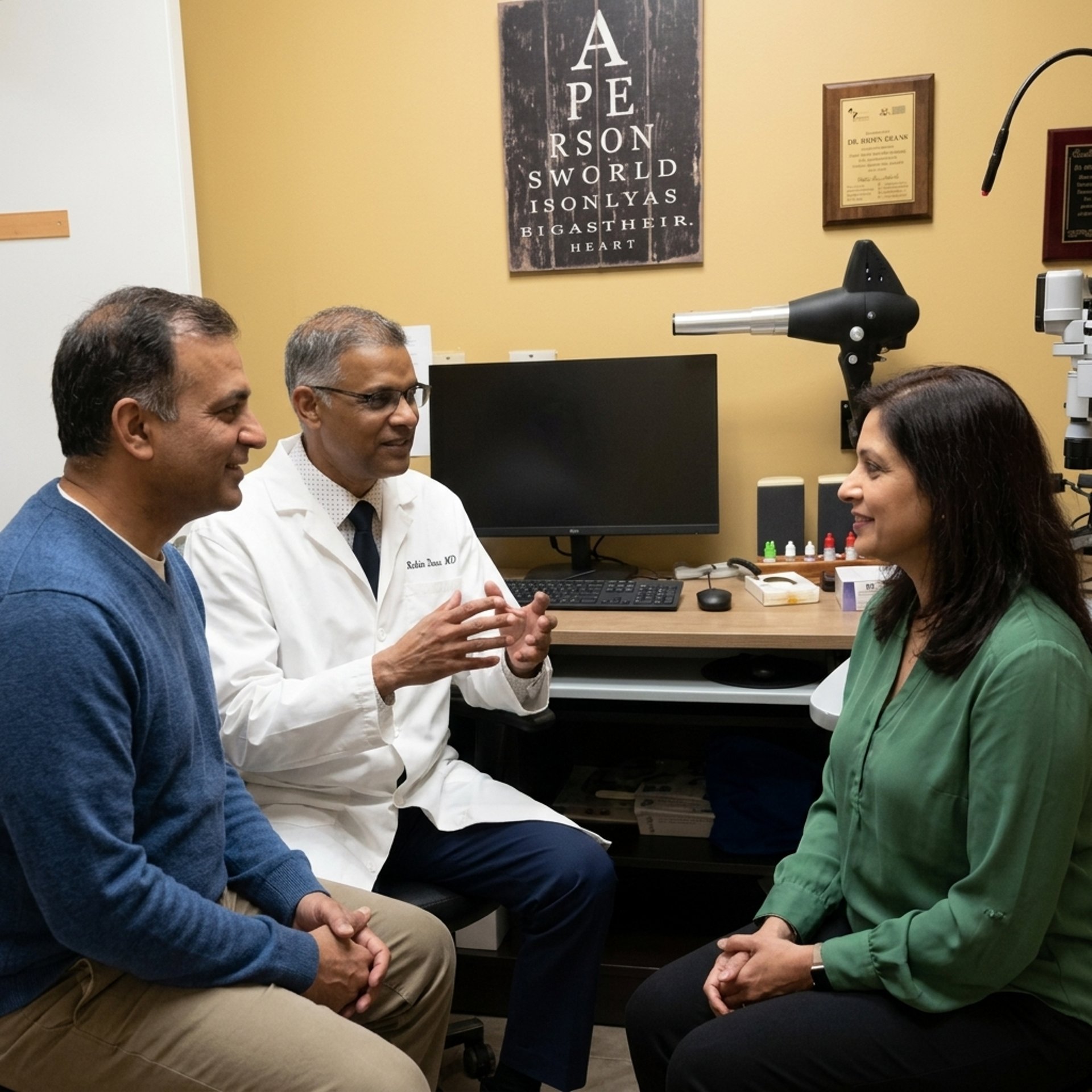
We understand that changes in vision can feel unsettling. Our goal is to make each visit feel calm, respectful, and carefully guided from first consultation to recovery.
Warm communication
Friendly explanations and clear expectations help reduce anxiety before surgery.Experienced care
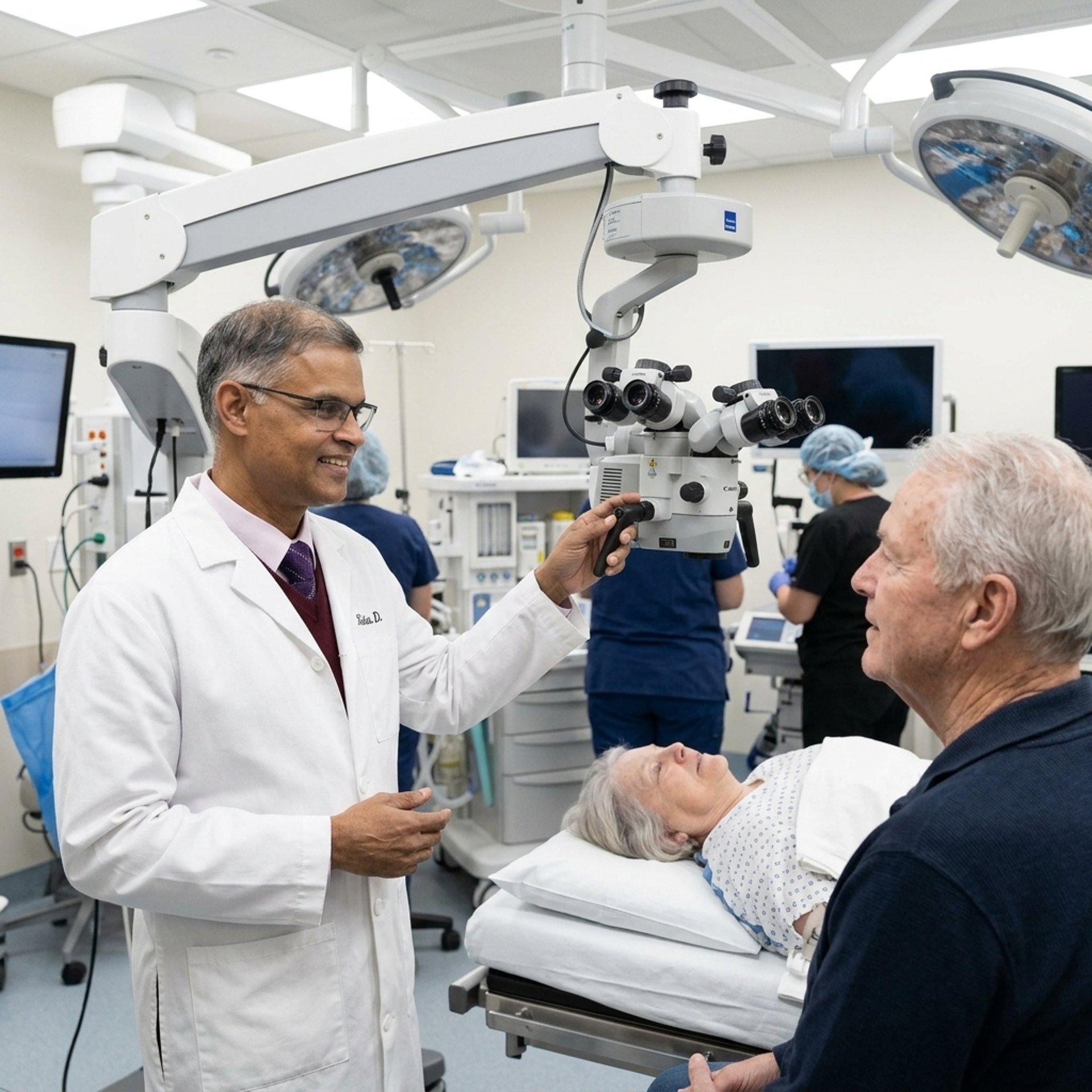
A professional setting designed around safety, precision, and thoughtful follow-up.A simple next step
When your vision has faded and you think you may have cataracts, reaching out is the right place to begin
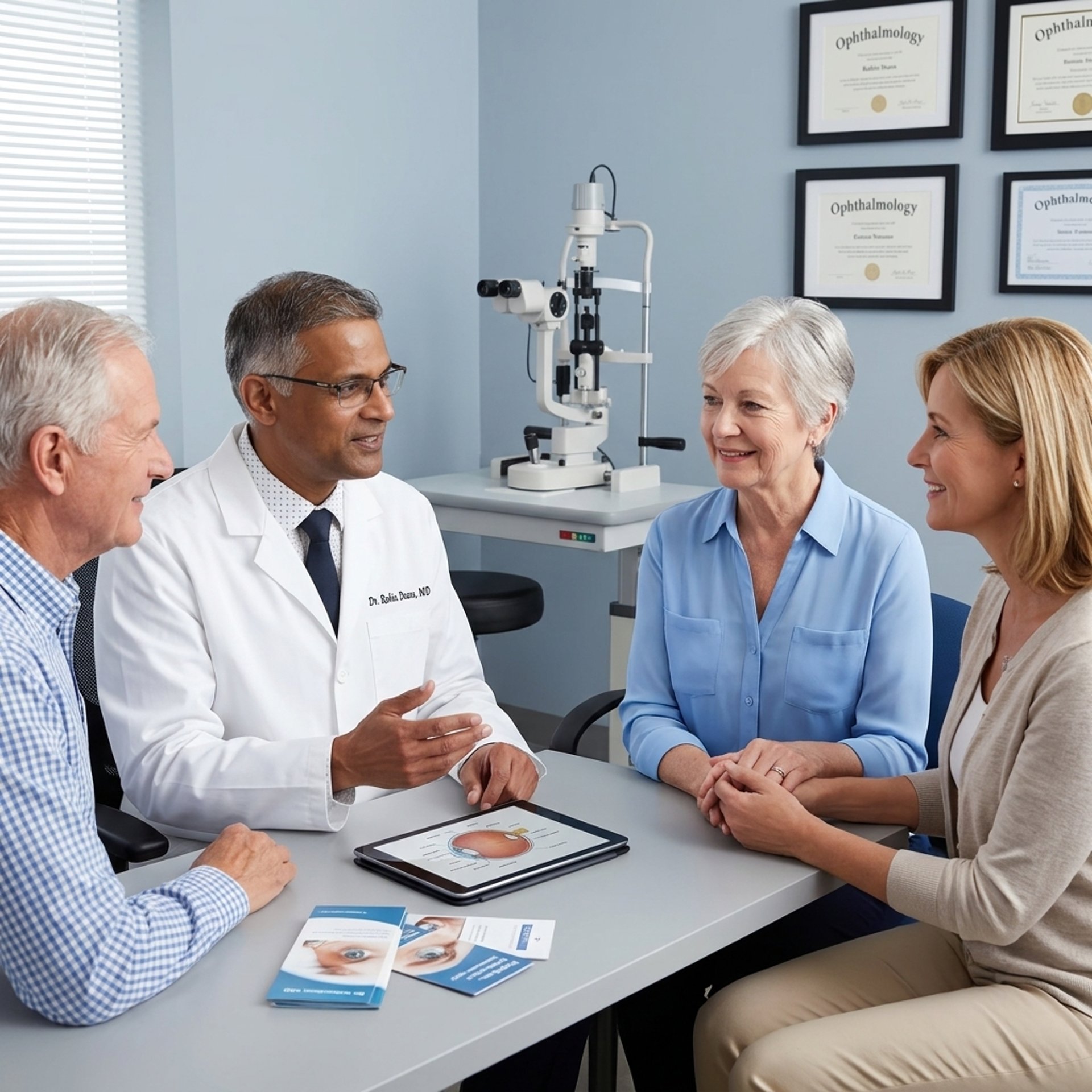
A cataract is a clouding of the natural lens inside your eye—the clear part that helps focus light onto the retina so you can see clearly. When proteins in the lens clump together over time, it becomes cloudy, like a foggy window, and scatters light instead of focusing it properly.
Common Symptoms
As the cataract worsens, you may notice:
Blurry or hazy vision, especially for reading or driving
Colors appearing faded or yellowish
Increased glare from headlights or sunlight, with halos around lights at night
Double vision in one eye
Needing brighter light for close work or having trouble with low light



When Surgery Becomes Necessary
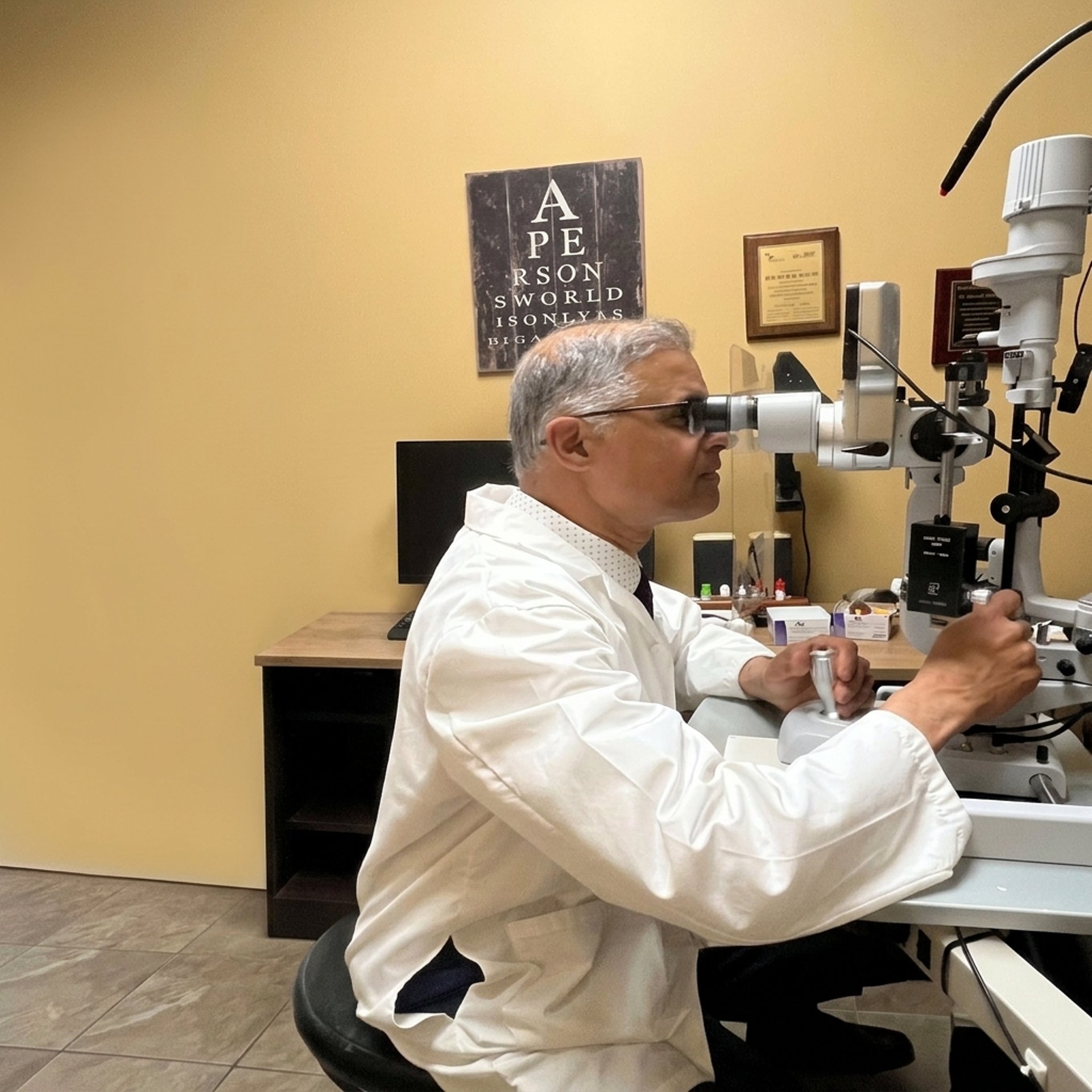
Your optometrist and Dr. Deans will monitor the cataract's progression through regular eye exams. Surgery is recommended when vision loss starts significantly affecting your daily life—like making driving unsafe, reading difficult, or activities like watching TV frustrating. Cataract surgery is one of the safest and most common procedures, successful in over 99% of cases, but the timing is personalized based on how much your symptoms interfere with what matters most to you




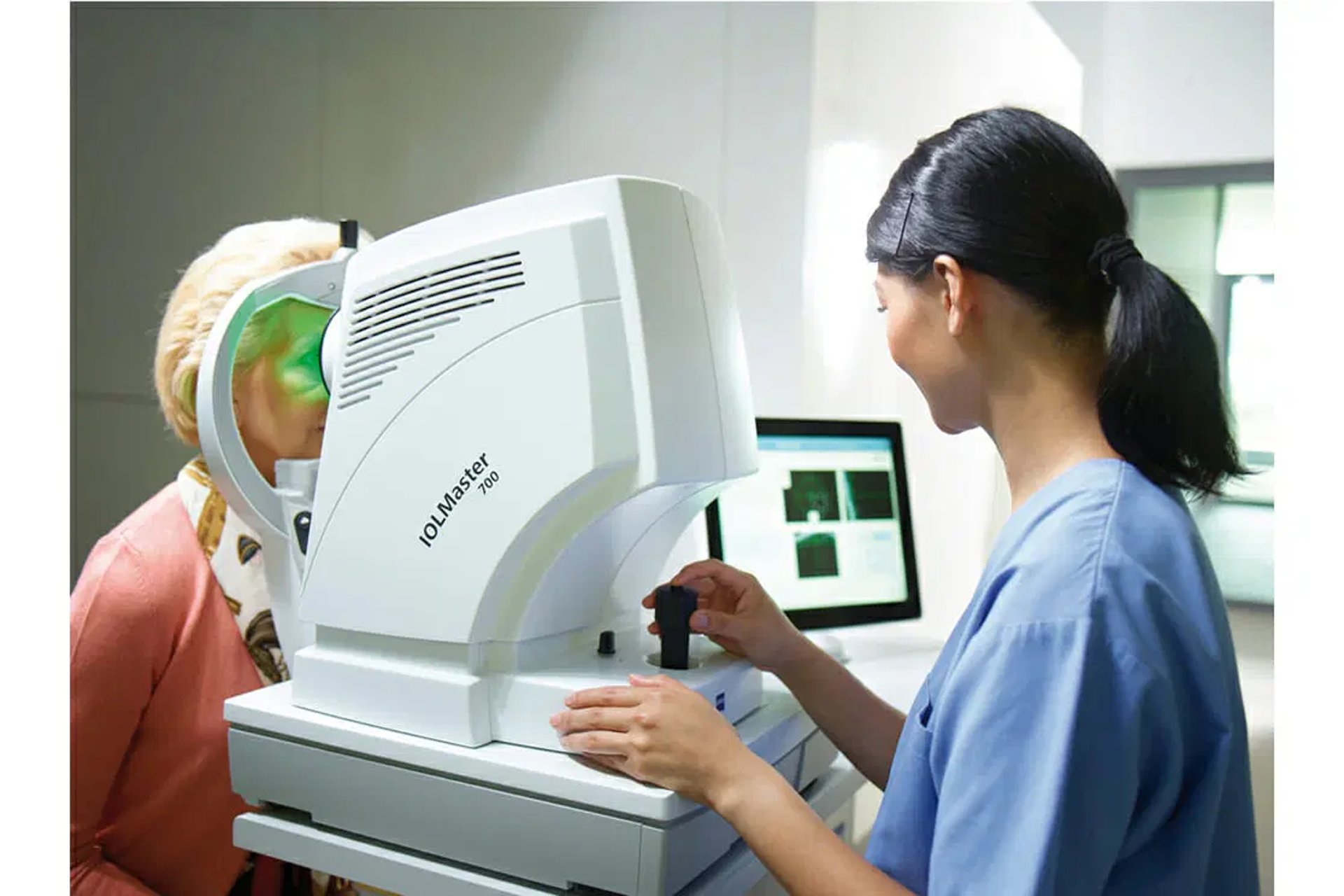
Before surgery, your eye is carefully measured to help select the correct lens power. This measurement is an important step in planning your cataract surgery, although no measurement can guarantee perfect vision without glasses. During surgery, the eye is numbed with a local anesthetic and you may be given medication to help you relax. The cataract is then removed through a very small incision, and a foldable lens is placed in the eye.
The surgery itself usually takes about 5 minutes per eye, although you should expect to be at the surgical centre for approximately 2 hours. You will need someone to drive you home after the procedure.
Recovery is generally quick. Most people notice improved vision within 48 hours, although it can take longer for vision to fully stabilize. You will use eye drops for about 4 weeks, wear a shield at night for 2 weeks, and avoid swimming and rubbing the eye for 6 to 8 weeks.
As with any surgery, there are risks, including bleeding, infection, inflammation, and retinal detachment. Serious visual loss is uncommon. If you have any questions or concerns, Dr. Deans will be happy to discuss them with you during your consultation....


Intraocular Lens Choices
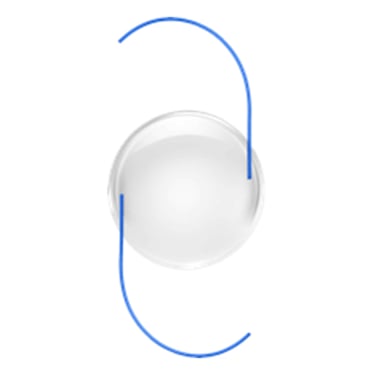
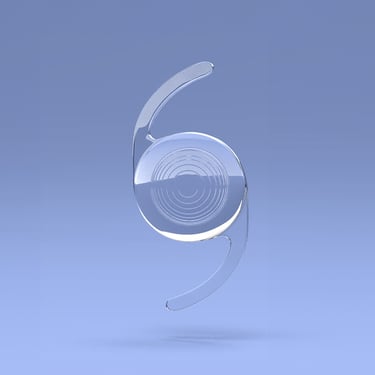
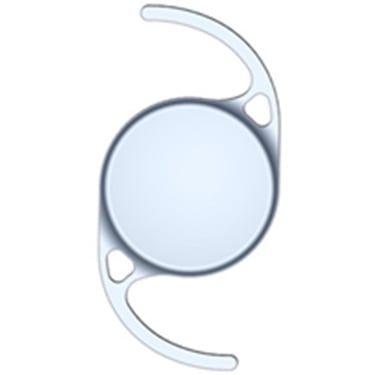
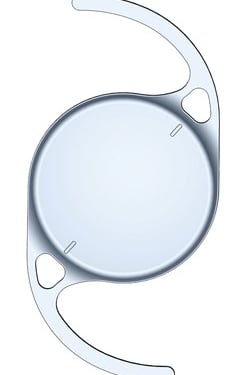
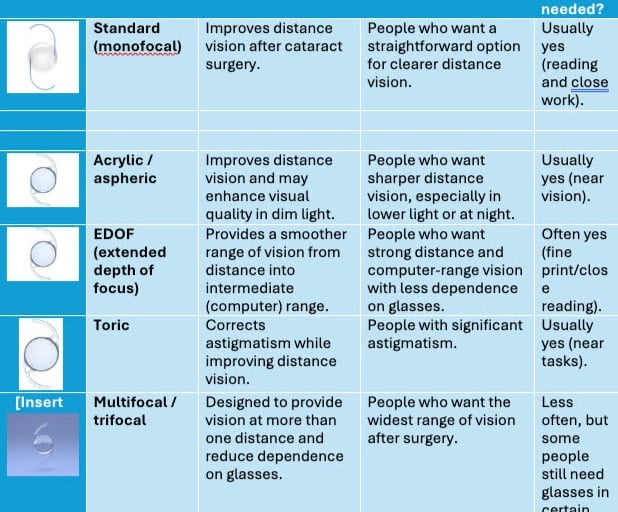
An intraocular lens, or IOL, is the artificial lens placed in the eye during cataract surgery. The lens replaces the cloudy natural lens that is removed during the procedure. Different types of lenses are available depending on your vision needs and lifestyle. While there are many options , paying more does not necessarily make it the best choice for you . In addition, if you have any concerns about costs , we strongly suggest going with the OHIP covered regular lens which works well and is absolutely a good choice. We also want you , our patients to know that regardless of your choice of lens , we are committed to providing the absolute best care we can give to you .
Standard Lens
A standard lens is designed mainly to improve distance vision. Most people who choose this lens will still need glasses for reading and other close-up work. It is a reliable and straightforward option.
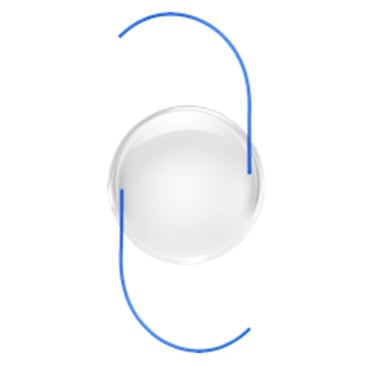

Acrylic / Aspheric Lens
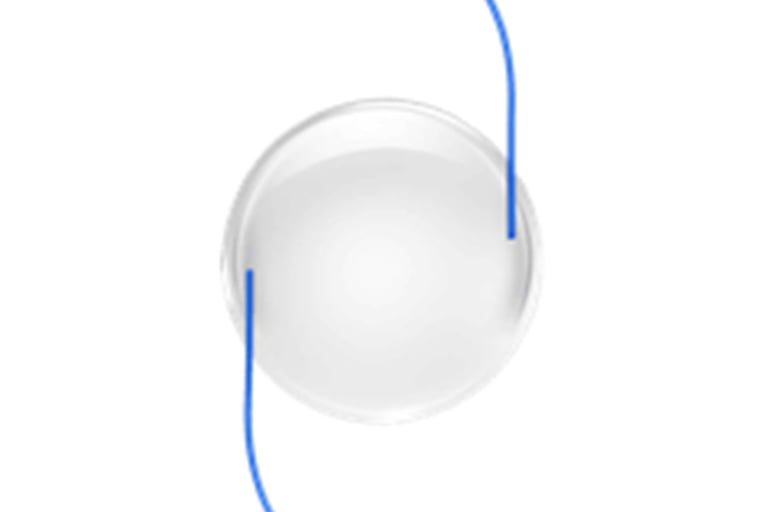
An acrylic, or aspheric, lens is designed to provide clearer distance vision and better visual quality in different lighting conditions. It may help with activities such as driving in the evening, watching television, or reading in lower light. Reading glasses are still usually needed for near vision.

EDOF Lens
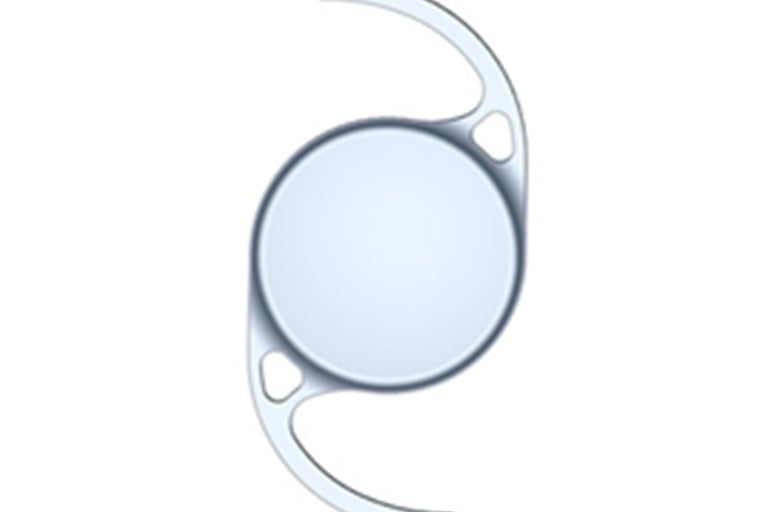
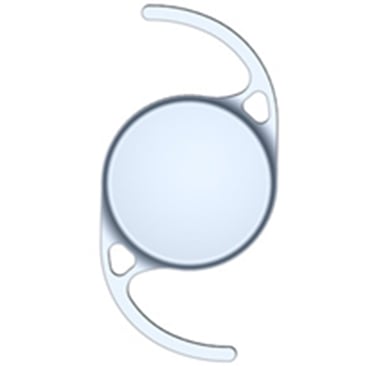
An EDOF lens, or Extended Depth of Focus lens, is designed to provide a smoother range of vision from distance into intermediate vision. It may help with tasks such as seeing a dashboard, using a computer, or looking at objects at arm’s length. Many people still need reading glasses for small print or very close work.
Toric Lens
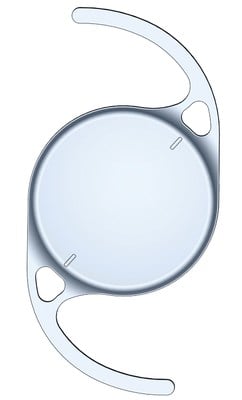
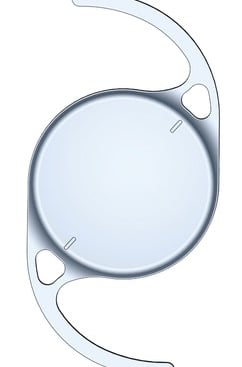
A toric lens is used to correct astigmatism, which happens when the eye is not perfectly round. This lens is designed to improve distance vision in patients who have astigmatism. Reading glasses are still usually needed for near tasks.
Multifocal Lens
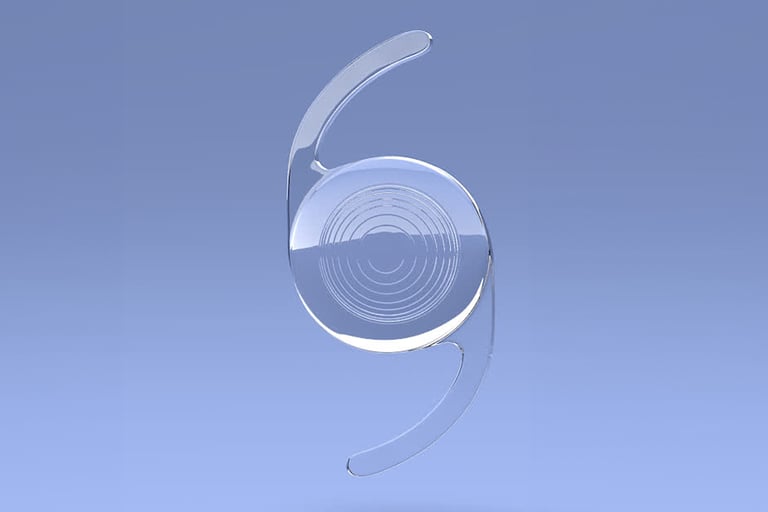
A multifocal lens is designed to help provide vision at more than one distance. It may reduce dependence on glasses for both near and distance activities. Some people still need glasses in certain situations, especially for fine print or very precise tasks.


Choosing the Right Lens
The best lens for you depends on your vision goals, whether you have astigmatism, and how much you want to depend on glasses after surgery. Dr Deans can help guide you toward the lens that best matches your needs.